Culture guide
Dendrobium Culture
Soft-cane Dendrobiums.
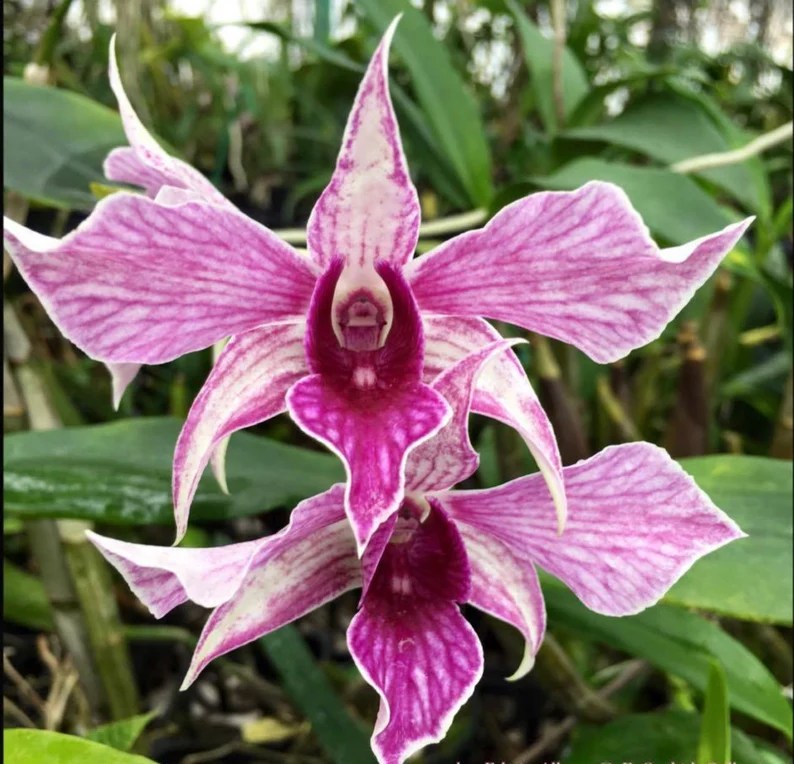
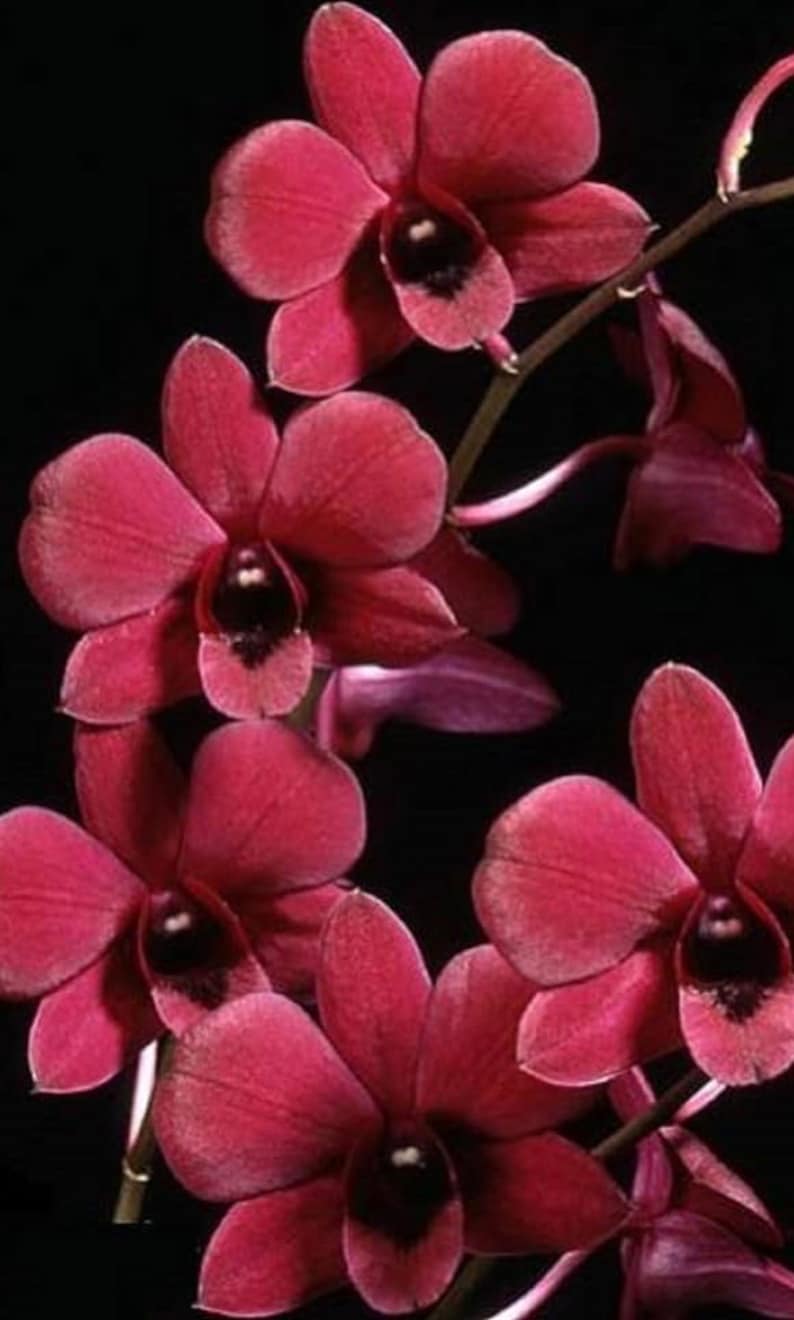
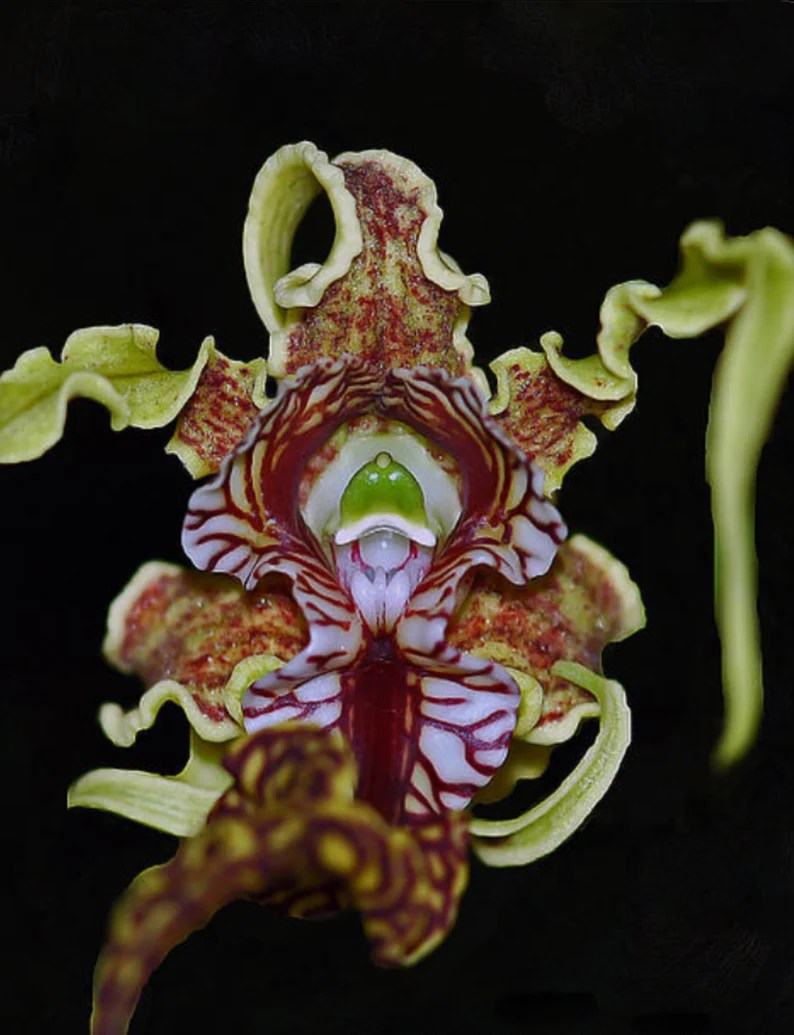
1. Understanding Your Orchid Species Overview: Soft cane Dendrobiums (Dendrobium spp.) are characterized by their fleshy, jointed canes. Unlike hard cane types, they generally prefer more moisture and warmth.
2. Light Requirements Step 1: Choose the Right Location Bright, Indirect Light: Place your orchid in a spot with bright, filtered sunlight. A south or east-facing window is ideal. Avoid Direct Sunlight: Direct sun can scorch the leaves and flowers. Step 2: Adjust Light Levels Artificial Lighting: If growing indoors, consider using fluorescent or LED grow lights if natural light is insufficient. Step 3: Monitor Light Conditions Check Plant Health: Look for signs of too much or too little light: Too Little Light: Weak, elongated canes and sparse flowering. Too Much Light: Leaf burn or faded leaf color.
3. Temperature and Humidity Step 1: Maintain Proper Temperature Daytime: 70-85°F (21-29°C). Nighttime: 55-65°F (13-18°C). Soft cane Dendrobiums prefer a warm environment but can tolerate cooler nights. Step 2: Ensure Adequate Humidity Ideal Humidity Level: 40-60%. Increase Humidity: Use a humidity tray, pebble tray, or a room humidifier to maintain humidity, especially in dry environments or during winter. Step 3: Avoid Sudden Temperature Fluctuations Consistency is Key: Keep the plant away from drafts, heaters, and air conditioners to avoid stressing the orchid.
4. Watering Step 1: Determine Watering Needs Growing Season (Spring/Summer): Water when the top inch of the potting mix is dry. This usually means watering once a week. Dormant Season (Fall/Winter): Reduce watering frequency. Allow the mix to dry out more between waterings. Step 2: Use Quality Water Preferred Water: Distilled, rainwater, or filtered water. Avoid Tap Water: High chlorine or fluoride levels can harm the plant. Step 3: Watering Technique Method: Water thoroughly until it drains from the bottom of the pot. Ensure the plant is not sitting in standing water.
5. Potting and Repotting Step 1: Choose the Right Potting Medium Type: Use a well-draining orchid mix, such as bark, perlite, and charcoal. This mix ensures good aeration and prevents root rot. Step 2: Repotting Schedule Frequency: Repot every 1-2 years or when the plant outgrows its pot or the medium decomposes. Best Time: After flowering, typically in late winter or early spring. Step 3: Repotting Procedure Remove Plant: Gently take the plant out of its pot and clean off old potting mix. Re-pot: Place the plant in a new pot with fresh orchid mix, spreading the roots out. Ensure the plant is stable and the mix is evenly distributed.
6. Fertilizing Step 1: Select the Right Fertilizer Balanced Formula: Use a balanced orchid fertilizer, such as 20-20-20, or one with higher phosphorus to promote blooming. Alternative: High nitrogen fertilizer can be used during active growth, while high potassium formulations are better as the plant approaches blooming. Step 2: Application Dilution: Follow the manufacturer’s instructions for dilution. A half-strength solution is generally recommended. Frequency: Fertilize every 2-4 weeks during the growing season. Reduce to once a month during the dormant period.
7. Blooming and Pruning Step 1: Encourage Blooming Rest Period: To induce blooming, provide a rest period with slightly cooler temperatures and reduced watering. This mimics their natural winter dormancy. Step 2: Pruning After Blooming: Cut back spent flower spikes to just above the node or pseudobulb to encourage new growth and blooms. Remove Dead Growth: Trim off any dead or diseased canes at the base to maintain plant health.
8. Pests and Diseases Step 1: Identify Common Pests Spider Mites: Look for fine webbing and speckled leaves. Treat with insecticidal soap or miticide. Mealybugs: White, cotton-like pests. Remove them manually and treat with neem oil or insecticidal soap. Step 2: Prevent Diseases Root Rot: Ensure proper watering and drainage. If root rot occurs, repot the plant into fresh mix and cut away affected roots. Leaf Spot: Improve air circulation and avoid overhead watering to prevent fungal and bacterial infections.
9. General Tips Step 1: Ensure Good Air Circulation Ventilation: Good airflow around the plant helps prevent fungal and bacterial issues. Step 2: Regular Observation Check Plant Health: Regularly inspect your orchid for signs of stress, pests, or disease and address any issues promptly. Step 3: Adapt Care with Seasons Seasonal Adjustments: Adjust light, temperature, and watering routines with seasonal changes to optimize growth and blooming. By following these steps, you’ll be able to provide excellent care for your soft cane Dendrobium, helping it to thrive and produce beautiful blooms! Hard-cane Dendrobiums. 404 This page could not be found. Maybe try a search? Search
Culture notes carried over from the nursery's own guides — DRAFT until confirmed with Debbie Chism.